Cute Christmas Family PNG for Real Embroidery Projects
As a designer who has stitched thousands of designs and reviewed countless files for client work, I approach every new asset with a mix of excitement and skepticism. When I first laid eyes on the Cute Christmas Family PNG, my initial reaction wasn't about the festive cheer—it was about how it would translate from a flat digital image into a tactile, stitched reality. In the world of handmade goods and boutique branding, the difference between a design that looks professional and one that feels amateurish often comes down to this exact moment: the transition from screen to fabric.
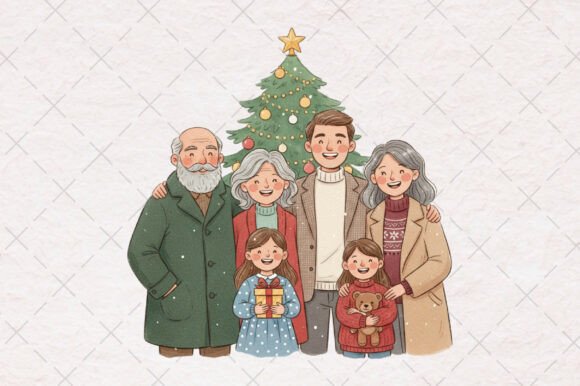
This isn't just another generic holiday illustration; it is a visual narrative waiting to be realized in thread. The mood is instantly warm and inviting, capturing the essence of family gatherings without feeling cluttered. For those of us running craft businesses or Etsy shops, finding a design that balances charm with structural integrity is crucial. The layout suggests a cohesive group dynamic, making it an ideal candidate for personalized gifts where the emotional connection is the primary selling point.
From Digital File to Stitched Reality
The true test of any embroidery file happens when you remove it from the computer screen and place it under the needle. My first thought regarding the Cute Christmas Family PNG was its potential for custom apparel. Imagine a soft, heather-gray sweatshirt embroidered with this design on the chest. The visual personality of the characters shines through even in a small format, creating an instant focal point that draws customers in.
I also envision this design transforming simple tote bags into high-value gift items. A sturdy canvas tote featuring this motif would stand out on a craft fair table or within a boutique shop. However, the execution matters immensely. If the stitch density is too high, the fabric might pucker, ruining the clean lines of the family figures. Conversely, if the density is too low, the design will lack definition on textured fabrics like fleece or heavy cotton twill. This is why reviewing the stitch types—specifically how the satin stitch outlines interact with fill stitches—is vital before committing to a production run.
Real-World Application Scenarios
Let's walk through a practical scenario. Suppose you are preparing a collection of holiday gifts for a local client who runs a small bakery. You want to create matching aprons for their staff. The Cute Christmas Family PNG fits perfectly here. It adds a layer of personality that standard logos cannot achieve. When worn, the embroidery catches the light differently than printed ink, signaling quality and care to the customer.
Similarly, consider baby items. There is a massive market for personalized nursery decor and baby clothes during the holidays. A onesie or a soft blanket embroidered with this design offers a timeless keepsake value. Parents are willing to pay a premium for items that feel unique and handcrafted. The design's gentle aesthetic ensures it appeals to both boys and girls, broadening your target audience as an Etsy seller or small business owner.
For those interested in creating embroidered patches, this design could serve as a standalone badge for jackets or beanies. The distinct shape allows it to sit well on curved surfaces, provided the underlying structure supports the curvature. Yet, caution is required. While it works beautifully on large areas like pillow covers or kitchen towels, applying it to a cap requires careful consideration of the hoop size and the curve of the hat.
Navigating Technical Challenges and Limitations
No design is without its constraints, and being honest about them is part of responsible design judgment. The Cute Christmas Family PNG contains intricate details that demand attention during the digitizing process. If you attempt to stitch this on a small hoop, such as a 4x4 inch frame, you risk losing the finer elements. Tiny facial features or delicate accessories might disappear into a blob of thread if the resolution doesn't match the physical space.
Fabric choice is equally critical. Thin fabrics like silk or lightweight rayon may not support the weight of the stitching, leading to distortion. Stretchy materials, common in athletic wear, require specific stabilizers to prevent the design from warping after washing. Dark fabrics present another challenge; if the thread colors chosen do not offer sufficient contrast against the background, the design loses its impact. A light-colored family figure on a navy blue shirt might look muddy unless the underlay and top threads are selected with precision.
Furthermore, products that undergo frequent washing, such as aprons or children's clothing, need robust construction. Dense stitch areas can trap lint or cause the fabric to stiffen uncomfortably over time. Before adding this to your catalog of commercial embroidery projects, you must verify that the design holds up to industrial laundering cycles without fraying or fading.
Visual Appeal and Brand Consistency
In the competitive landscape of handmade products, visual appeal drives sales. A well-executed Cute Christmas Family PNG elevates the perceived value of the finished product. Customers associate neat, precise stitching with professionalism and trust. When a buyer sees a flawlessly embroidered design on a gift, they are more likely to recommend your brand to others. This design fosters a sense of community and warmth, which aligns perfectly with holiday marketing strategies.
However, consistency is key. If you plan to use this as part of a larger series of design assets, ensure the style matches your other offerings. Mixing overly detailed illustrations with minimalistic icons can confuse your brand identity. The Illustrations category often spans a wide range of styles, so confirming that this specific piece fits your aesthetic vision is essential before mass-producing items.
Practical Designer Notes for Success
Before you rush to load the spools and start stitching, there are several steps every experienced designer takes to ensure success. First, always test the design on scrap fabric. This allows you to gauge how the thread interacts with the material and whether the tension settings need adjustment. Check the thread color contrast by viewing the mockup in black and white; if the design lacks depth in grayscale, it might struggle to pop on certain backgrounds.
Review the stitch density carefully. High-density areas can lead to bird nesting or thread breakage, especially on older machines. Confirm the hoop size requirements early to avoid resizing issues that distort the proportions of the family figures. Inspect small details closely; sometimes, what looks fine on a monitor becomes indistinguishable once stitched. Using proper stabilizer is non-negotiable, particularly for stretchy or unstable fabrics.
If you intend to sell finished items or digital products, confirm the licensing terms explicitly. Many digital embroidery files come with restrictions on commercial use. Ensure you have the right to sell the final product derived from the Cute Christmas Family PNG. Additionally, compare light and dark fabric backgrounds in your printable mockups to visualize how the design performs in different contexts. This foresight prevents costly mistakes and ensures your handmade product meets the highest standards of quality.
Ultimately, the decision to use this design depends on your specific project needs and technical capabilities. But for those looking to add a touch of festive joy to their portfolio, the Cute Christmas Family PNG offers a promising foundation. With careful planning and execution, it can become a standout piece in your collection of holiday embroidery creations, delighting customers and enhancing your brand reputation.