Coastal Christmas Clipart Embroidery Review
As a designer who has spent years turning digital illustrations into tangible, stitched products, I approach every new design asset with a mix of excitement and skepticism. The market is flooded with clipart that looks beautiful on a screen but falls apart under the needle. Today, I am evaluating Coastal Christmas Clipart, an illustration set that promises to blend nautical serenity with holiday cheer. My goal here is not just to describe what it looks like, but to determine if it holds up as a viable machine embroidery design for real-world projects, from custom custom apparel to high-volume Etsy seller inventory.
First Impressions: Mood and Visual Personality
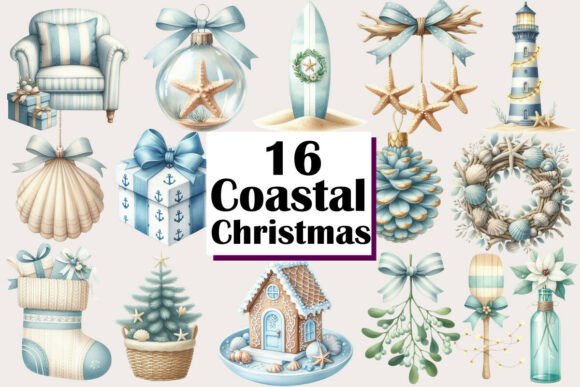
The immediate draw of this Illustrations collection is its atmospheric quality. Unlike traditional, heavy red-and-green Christmas motifs, this set leans into a softer, breezier aesthetic. It evokes the feeling of a winter getaway where the snow meets the sea. For designers looking to break away from the cliché reindeer and sleighs, this offers a fresh narrative. The visual personality is relaxed yet festive, making it perfect for brands that want to project warmth without being overly loud or aggressive in their holiday marketing.
From a layout perspective, the elements are designed with versatility in mind. You have distinct icons—perhaps anchors, seashells, or coastal homes mixed with subtle holiday touches—that can stand alone or be combined. This modularity is crucial for modern embroidery project planning. It allows you to create balanced compositions rather than cluttered hoops. When I first laid out the vector files, I appreciated how the negative space was handled; there is room for the eye to rest, which translates directly to better stitch clarity when digitized.
Real-World Application: Where Does It Fit?
Let’s talk about actual product application. I recently conceptualized a line of boutique holiday gifts using this concept, specifically targeting the "coastal grandmother" or relaxed home decor niche. Here is how Coastal Christmas Clipart performed in specific scenarios:
- Tote Bag Design: This is perhaps the strongest use case. A large-scale placement on a canvas tote bag creates an instant statement piece. The nautical theme pairs naturally with sturdy fabrics, and the design scales well without losing definition. It feels like a practical yet stylish accessory for holiday shopping trips.
- Sweatshirt Embroidery: For cozy, oversized knitwear, this design adds a touch of whimsy. However, because sweatshirts often have textured surfaces, I had to consider stitch density carefully. The design works best when placed on the chest or back pocket area, where the fabric is flatter. It elevates a basic garment into a personalized gift that feels curated rather than mass-produced.
- Baby Embroidery: Soft pastels and gentle themes make this ideal for baby onesies or nursery wall hangings. The lack of harsh contrasts ensures the design remains soothing. Parents love unique holiday keepsakes, and this fits perfectly into that category of meaningful, handmade merchandise.
- Embroidered Patch: Creating a circular or shield-shaped patch with these elements is a smart move for caps or denim jackets. It gives a rugged-yet-festive vibe that appeals to craft fair shoppers looking for something different from standard holiday wear.
In terms of commercial embroidery potential, this design bridges the gap between seasonal decor and year-round appeal. While it is themed for Christmas, the coastal elements mean it doesn’t feel dated once December passes. This longevity increases the perceived value for your customers and reduces the risk of unsold inventory.
Technical Considerations and Stitch Performance
No matter how pretty a vector is, it must translate well to thread. When reviewing Coastal Christmas Clipart for stitch viability, several technical factors come into play. First, look at the detail level. If the original illustration contains tiny, intricate lines, you need to ensure those details are preserved during the digitizing process. Tiny details can get lost in fill stitch areas or become muddy if the stitch density is too high.
I recommend testing the design by converting it to a black-and-white mockup before stitching. This helps you identify areas where the shapes might merge unintentionally. Pay close attention to the satin stitch borders. Are they wide enough to cover the base fabric? In coastal-themed designs, smooth curves (like waves or shells) require careful angle optimization to prevent puckering.
Thread color selection is equally critical. To maintain the airy, light mood of the illustration, avoid overly dark or saturated threads unless you are going for high contrast. Instead, think about using heathered threads or metallic accents sparingly to mimic the sparkle of water or lights. Always check thread colors against your chosen fabric background. On white cotton, you have maximum flexibility. On navy or charcoal, you may need to add a cut-away stabilizer and potentially a backing layer to ensure opacity.
Where to Use Caution
While this design is versatile, it is not a one-size-fits-all solution. There are specific situations where you should exercise restraint:
- Small Hoop Sizes: Avoid placing complex arrangements in hoops smaller than 4x4 inches. Fine details will disappear, and the design will look cramped.
- Textured Fabrics: Be wary of using this on heavily textured materials like bouclé or thick chenille unless you are experienced with stabilizers. The uneven surface can distort the delicate lines of the illustration.
- Stretchy Fabrics: If embroidering on jersey or spandex blends, you must use a tear-away or wash-away stabilizer to prevent distortion. The design itself does not inherently resist stretching, so the foundation is key.
- Dense Stitch Areas: If the design includes large blocks of solid fill, test for stiffness. On items like kitchen towel designs or lightweight aprons, excessive density can make the fabric rigid and uncomfortable.
Impact on Brand and Customer Trust
Using high-quality, thoughtfully composed assets like Coastal Christmas Clipart directly influences customer perception. In the world of handmade product sales, presentation is everything. A clean, well-executed embroidery job signals professionalism. It tells the buyer that you care about the finish, not just the concept.
When you present printable mockups or design assets on your shop, consistency matters. If your branding uses soft blues, whites, and creams, this clipart reinforces that identity. It builds trust because the visual language is coherent. Buyers are more likely to leave positive reviews and return for future purchases when the product matches the aesthetic promise made in the listing. Furthermore, for digital product sellers, offering this as part of a cohesive holiday bundle can increase average order value by appealing to customers looking for a complete thematic solution.
Practical Designer Notes for Success
Before committing this design to production, follow these steps to ensure a flawless outcome:
- Test on Scrap Fabric: Never go straight to the final product. Stitch the design on a scrap of the exact fabric you plan to use. This reveals issues with tension, puckering, or color blending early.
- Inspect Small Details: Zoom in on the digitized file. Are any paths too thin? Will small running stitches break easily? Adjust the digitization parameters if necessary.
- Confirm Licensing: If you are selling finished items, double-check the license agreement. Some illustrations allow personal use only, while others permit commercial sale of physical goods. Ensure you have the right to sell finished product versions.
- Check Digital Formats: Verify that the embroidery file formats provided are compatible with your machine software. Common formats include .PES, .DST, and .JEF.
Ultimately, Coastal Christmas Clipart is a strong contender for designers seeking to diversify their holiday offerings. It moves beyond the traditional and taps into a lifestyle-oriented aesthetic that resonates with modern consumers. By paying attention to stitch density, fabric choice, and proper stabilization, you can transform this illustration into a profitable, professional-grade embroidery project that stands out in a crowded marketplace.